
Wet wipes have become an essential product in households, healthcare, and personal care industries. From baby wipes to disinfectant wipes, the demand continues to grow worldwide. But many buyers and end-users often ask: What material are wet wipes made of? Understanding the raw material is crucial for manufacturers, wholesalers, and importers who are sourcing high-quality wipes.
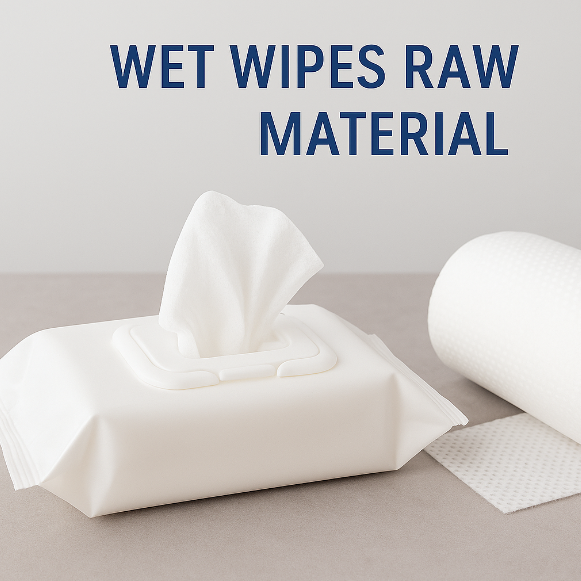
In this article, we will explain the main wet wipes raw materials, the most common nonwoven fabrics used, and how to choose the right material depending on the application.
What Material Are Wet Wipes Made Of?
The primary raw material for wet wipes is nonwoven fabric. Unlike woven textiles such as cotton or polyester fabrics, nonwoven materials are produced by bonding fibers together using heat, chemicals, or mechanical processes. This creates a soft, absorbent, and durable fabric suitable for wiping applications.
The most common nonwoven technology used for wet wipes is spunlace nonwoven fabric.
Spunlace Nonwoven Fabric for Wet Wipes
The primary material used in most wet wipes is nonwoven fabric, specifically spunlace nonwoven fabric (also known as hydroentangled nonwoven). This material has revolutionized the wet wipes industry due to its excellent softness, strength, and absorbency.
At NW Fabric, we specialize in producing high-quality spunlace nonwoven fabric specifically designed for wet wipes applications. This material typically consists of:
- Natural fibers: Usually wood pulp (cellulose) or cotton
- Synthetic fibers: Typically polyester, viscose, or polypropylene
- Binding agents: Water-based polymers that help maintain structural integrity when wet
Why Spunlace Nonwoven Fabric Is Ideal for Wet Wipes
Spunlace nonwoven fabric has become the gold standard for wet wipes due to several key advantages:
- Exceptional Softness: Provides gentle contact with skin, making it ideal for baby wipes, facial wipes, and personal care products.
- High Absorbency: The hydroentangling process creates a fabric with excellent liquid retention properties.
- Durability: Maintains integrity when wet, preventing tearing during use.
- Lint-Free: Doesn’t leave residue on surfaces or skin.
- Eco-Friendly Options: Can be made with biodegradable fibers for environmentally conscious products.
Key Components of Wet Wipes
Beyond the base material, wet wipes consist of several important components:
1. Substrate (The Fabric)
As discussed, spunlace nonwoven is the most common substrate, but other options include:
- Airlaid pulp nonwovens
- Spunbond nonwovens
- Needle-punched nonwovens
2. Moistening Solution
The liquid component typically contains:
- Purified water (90-95%)
- Preservatives (to prevent microbial growth)
- Surfactants (cleaning agents)
- Humectants (moisture retention)
- Fragrances and essential oils
- Specialty additives (aloe, vitamin E, etc.)
3. Packaging
- Plastic containers with flip-top lids
- Flexible pouches with resealable stickers
- Individual sachets for single-use applications
Choosing the Right Raw Material for Your Wet Wipes
Selecting the appropriate nonwoven fabric depends on your specific application:
- Baby wipes: Require ultra-soft, hypoallergenic materials with high absorbency
- Cosmetic wipes: Need gentle, lint-free fabrics that won’t irritate facial skin
- Household cleaning wipes: Benefit from stronger, more abrasive materials
- Industrial wipes: Often require reinforced materials for heavy-duty cleaning
- Antibacterial wipes: Need compatible materials that won’t interfere with active ingredients
Common Raw Materials for Wet Wipes
The fibers used in spunlace nonwoven for wet wipes include:
| Raw Material | Features | Typical Application |
|---|---|---|
| Viscose (Rayon) | Biodegradable, highly absorbent, soft | Baby wipes, facial wipes |
| Polyester (PET) | Strong, durable, less absorbent | Industrial wipes, surface cleaning |
| PET/Viscose Blend | Balanced absorbency and strength | General household wipes |
| Cotton | Natural, eco-friendly, premium feel | High-end cosmetic wipes |
| Biodegradable Fibers (PLA, Bamboo, Wood Pulp) | Eco-friendly, compostable | Sustainable wipes, flushable wipes |
NW Fabric’s Expertise in Wet Wipes Raw Materials
As a specialized nonwoven fabric manufacturer, NW Fabric offers:
- Customized Solutions: We tailor our spunlace nonwoven fabrics to your specific requirements, including weight, thickness, softness, and strength parameters.
- Quality Assurance: Our products undergo rigorous testing for absorption rates, tensile strength, softness, and chemical compatibility.
- Sustainable Options: We offer eco-friendly alternatives including biodegradable and compostable nonwoven fabrics.
- Technical Support: Our team provides expert guidance on material selection for your specific application.
Frequently Asked Questions
What is the most common material for wet wipes?
Spunlace nonwoven fabric is the most widely used material due to its ideal combination of softness, strength, and absorbency.
Are there eco-friendly options for wet wipes material?
Yes, at NW Fabric, we offer sustainable alternatives including bamboo-based nonwovens, organic cotton, and biodegradable spunlace fabrics.
How do I choose between different nonwoven materials?
Consider your application, required strength, softness, absorbency needs, and budget. Our technical team can help you select the optimal material for your specific product.
Can custom formulations be developed for special applications?
Absolutely. We regularly work with clients to develop custom nonwoven fabrics with specific properties for specialized wet wipes applications.