
Non-woven bags have become a mainstream choice for eco-friendly packaging, but have you ever wondered what these bags are actually made from? This article provides an in-depth exploration of the raw materials used in four major types of non-woven bags—PP non-woven bags, nylon non-woven bags, stitchbond non-woven bags, and PET non-woven bags—helping you understand the characteristics, advantages, and suitable applications of each material.
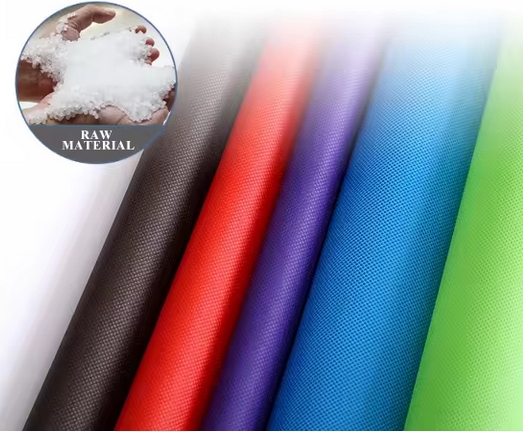
Overview of Non-Woven Materials: The Foundation of Sustainable Packaging
Non-woven fabric is a material that does not undergo traditional textile processes but is instead formed directly from fibers through mechanical, thermal, or chemical bonding. The selection of raw materials significantly impacts the bag’s durability, environmental footprint, texture, and functionality. The following sections will detail the materials used in the four most common types of non-woven bags.
1. PP Non-Woven Bags: The Most Widely Used Economical Option
Primary Raw Material: Polypropylene (PP) Resin
PP non-woven bags are the most common and cost-effective type available on the market. They are manufactured using polypropylene resin as the base material through a process known as spunbond non-woven technology.
Production Process & Material Characteristics:
- Raw Material Source: Derived from petroleum refining, polypropylene pellets are melted and extruded into continuous filaments.
- Formation Method: The filaments are laid into a web and thermally bonded to form the fabric without weaving.
- Key Features:
- Lightweight yet durable
- Moisture-resistant and mildew-proof
- Good breathability
- Printable surface, ideal for custom designs
- Recyclable under specific conditions
Common Applications:
- Shopping bags and tote bags
- Reusable grocery bags
- Promotional event bags
- Packaging for lightweight products
2. Nylon Non-Woven Bags: The Durable and Flexible Choice
Primary Raw Material: Nylon (Polyamide) Fibers
Nylon non-woven bags are known for their exceptional strength, elasticity, and abrasion resistance. They are typically produced using needle-punch or thermal-bonding techniques with nylon fibers.
Production Process & Material Characteristics:
- Raw Material Source: Nylon fibers are synthesized from petroleum-based compounds through polymerization.
- Formation Method: Short nylon fibers are entangled mechanically or bonded thermally to create a cohesive fabric.
- Key Features:
- High tensile strength and tear resistance
- Excellent elasticity and flexibility
- Smooth, soft texture
- Resistant to oils and many chemicals
- Can be engineered for water-repellency
Common Applications:
- High-end retail and fashion shopping bags
- Reusable bags for heavier items
- Specialized packaging for industrial or mechanical parts
- Bags requiring frequent washing or extended use
3. Stitchbond Non-Woven Bags: The Textile-Like Fabric
Primary Raw Material: Polyester or PP Yarns
Stitchbond non-woven bags are Made of stitchbond nonwoven fabric and unique as they combine non-woven and traditional textile technologies. A base web (often made of RPET or polyester fibers) is reinforced with stitching yarns to create a fabric with enhanced structural integrity.
Production Process & Material Characteristics:
- Raw Material Source: A combination of staple fibers (for the web) and continuous filament yarns (for stitching).
- Formation Method: The fiber web is stitched with parallel yarns using a modified knitting process, creating a bonded, fabric-like material.
- Key Features:
- Appearance and feel similar to woven cloth
- Enhanced dimensional stability
- Good drape and handling properties
- Higher durability compared to standard spunbond fabrics
- Often made with recycled polyester for sustainability
Common Applications:
- Premium reusable shopping bags
- Fashion and boutique packaging
- Decorative and gift bags
- Durable totes for books or electronics
4. PET Non-Woven Bags: The Eco-Friendly Innovation
Primary Raw Material: Recycled Polyethylene Terephthalate
PET non-woven bags represent a significant advancement in sustainable packaging. They are primarily made from recycled PET, often sourced from post-consumer plastic bottles.
Production Process & Material Characteristics:
- Raw Material Source: Recycled PET flakes from cleaned and processed plastic bottles.
- Formation Method: The flakes are melted, extruded into fibers, and bonded through needle-punching or thermal methods.
- Key Features:
- Made from recycled materials, reducing plastic waste
- High strength and UV resistance
- Good moisture and wrinkle resistance
- Can be further recycled, supporting a circular economy
- Often has a slightly rougher texture compared to PP
Common Applications:
- Eco-branded promotional bags
- Sustainable retail packaging
- Beach bags and outdoor totes
- Corporate social responsibility (CSR) initiatives
Comparison Table: Key Properties at a Glance
| Property | PP Non-Woven | Nylon Non-Woven | Stitchbond Non-Woven | PET Non-Woven |
|---|---|---|---|---|
| Primary Material | Virgin polypropylene | Nylon (polyamide) fibers | Polyester/RPET yarns + web | Recycled PET |
| Strength | Good | Excellent | Very Good | Very Good |
| Texture | Soft, paper-like | Smooth, fabric-like | Cloth-like, structured | Slightly coarse, sturdy |
| Eco-Friendliness | Recyclable (limited) | Durable but petroleum-based | Often uses recycled content | Highly sustainable, recycled origin |
| Cost | Low | Moderate to High | Moderate | Moderate |
| Best For | Everyday use, promotions | Heavy-duty, flexible needs | Premium retail, fashion | Environmental campaigns, outdoor use |
Environmental Impact and Sustainability Considerations
While non-woven bags are generally more eco-friendly than single-use plastic bags, their environmental footprint varies significantly based on raw materials:
- PP Non-Woven: Although recyclable in theory, recycling infrastructure is limited. Their lightweight nature reduces material use, but they are still petroleum-based.
- Nylon Non-Woven: Durable and long-lasting, but production is energy-intensive and not easily biodegradable.
- Stitchbond Non-Woven: Often incorporates recycled materials and offers extended lifespan, reducing waste.
- PET Non-Woven: The clear winner in sustainability, as it repurposes plastic waste, reduces landfill burden, and supports circular economy models.
Pro Tip: To maximize eco-friendliness, look for bags made from recycled materials (especially post-consumer waste) and ensure they are used repeatedly to offset production impacts.
Conclusion: Choosing the Right Material for Your Needs
Understanding the raw materials behind non-woven bags empowers consumers and businesses to make informed, sustainable choices. PP bags offer affordability and versatility, nylon provides strength and flexibility, stitchbond combines durability with a premium feel, and PET leads in environmental innovation.
When selecting non-woven bags, consider:
- The intended use and required durability
- Your sustainability goals and brand values
- Printing and customization needs
- Budget constraints
As technology advances, we can expect even more innovative materials—such as biodegradable additives or plant-based polymers—to enter the non-woven bag market, further enhancing their role in sustainable packaging solutions.